5 Signs That You Should Repair Your Pool Pump

You're in your backyard on a sunny afternoon. You've been working hard all week and want to relax, so you decide to take a dip in the pool. As you dive into the cool water, you realize that something is wrong: the pump isn't working. This is where pool pump repairs Melbourne come in handy, especially frustrating if you have just spent thousands of dollars on the equipment only to find out that it needs repairs or replacement within weeks of installation. However, there are some signs that indicate your pump needs fixing before it malfunctions completely and becomes useless:
Here are the 5 Signs That You Should Repair Your Pool Pump
1. There Is A Strange Noise Coming From Your Pump
If you hear a strange noise coming from your pool pump, it's most likely the impeller. The impeller is the part of the pump that moves the water. If it breaks, it will make a lot of noise and not move properly.
If your pool pump is making a strange noise, it could be the impeller. The impeller is the part of the pump that moves water through your filter and back into the pool. If it breaks or becomes damaged, it will make a lot of noise and not move properly. Therefore, calling pool pump repairs Melbourne at the right time is essential.
2. The Pump Is Cycling On And Off Repeatedly
If the pump is cycling on and off repeatedly, it could be due to one of a few things:
The water level is too low. If your pool pump isn't getting enough water to run, it will come on and off continuously until it gets enough. This can happen if you have a leak somewhere in your pool's plumbing or if there's an obstruction in the lines that keep your filter from filling with water.
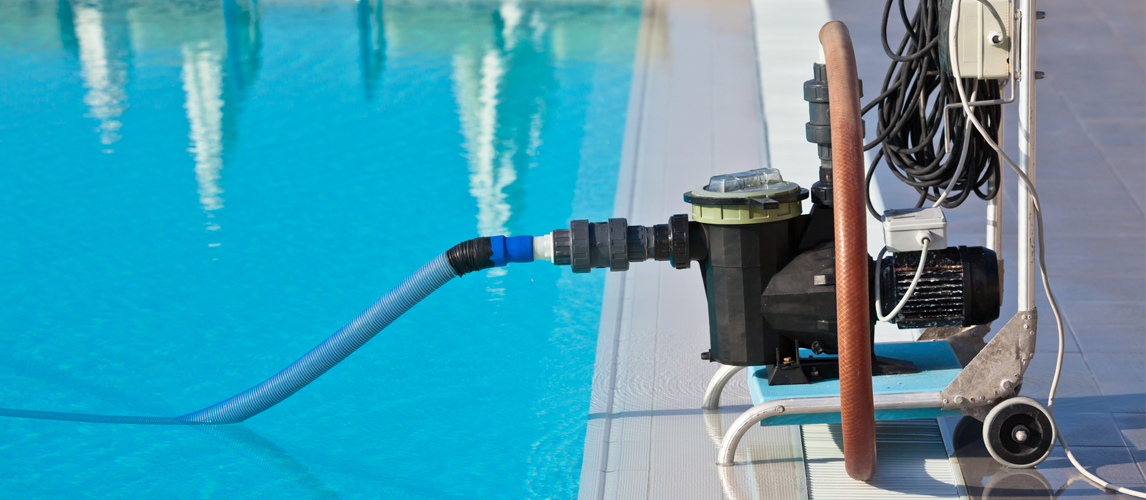
The pump might be overheating. If the motor isn't getting enough cooling air through its vents (see below for how this may happen), then it can get too hot to run efficiently and stop working correctly until things cool down again—which means more frequent cycling for you!
3. The Pump Works Sluggishly
When your pump is working sluggishly, there are a few things that can be causing this. If you have an older pool pump (typically 15+ years), it may be time to replace the motorized parts because they're worn out and not performing as well as they used to.
Even if your pump still works, it's important to keep an eye on the condition of its moving parts so you can prevent problems before they occur.
The pump is not spinning fast enough: Check for kinked hoses or other obstructions blocking water from entering or exiting properly; also, check for blockages in skimmers and filters that could be slowing down suction flow through them. If necessary, unclog these areas with a brush or by vacuuming them out with a small vacuum.
4. Your Pump Is Leaking
If your pump is leaking, it could be due to a number of problems. The most common cause is a bad gasket or seal on the motor shaft, where it passes through the body of the pump. If you notice water coming out from around this area, then you may want to consider replacing it with a new one before proceeding with any further troubleshooting efforts.
Another common problem associated with leaks in pumps can be traced back to an impeller (the rotating part inside). If there's been some damage caused by incorrect use or maintenance practices, this could lead to leaks around where the impeller meets up with its housing—again requiring replacement parts before continuing on with repairs.
5. Your Pump's Electrical Cord Is Damaged
If the electrical cord is damaged, it should be replaced. In most cases, the cord can be easily replaced by a pool owner. However, if you are not comfortable with this task and would prefer to hire a professional to repair the cord for you, we recommend calling your local pool pump repairs Melbourne company.
If your pump's electrical cord is not damaged but instead has become loose or disconnected from its motor, check to ensure that all of your pump components are firmly attached together in order for it to function properly as designed.
If everything seems secure, then check your pool's filter and water level indicators (if applicable) before proceeding further with troubleshooting steps on how to repair your pump yourself at home without having an experienced technician do so for an exorbitant fee!
Conclusion
If you're having problems with your pool pump, it's important to understand what it is that you need to do. We hope this article has given you some helpful insight into what might be wrong with your machine and how best to go about fixing it!


Comments
Post a Comment